

What laboratories should know, with the Artel MVS used as one practical example of an ISO 23783-aligned measurement approach About this blog This article was created by Nicholas Enea, Artel Biopharma Product Manager at Nova Biomedical, in conjunction with A2LA. Nicholas leads product strategy for
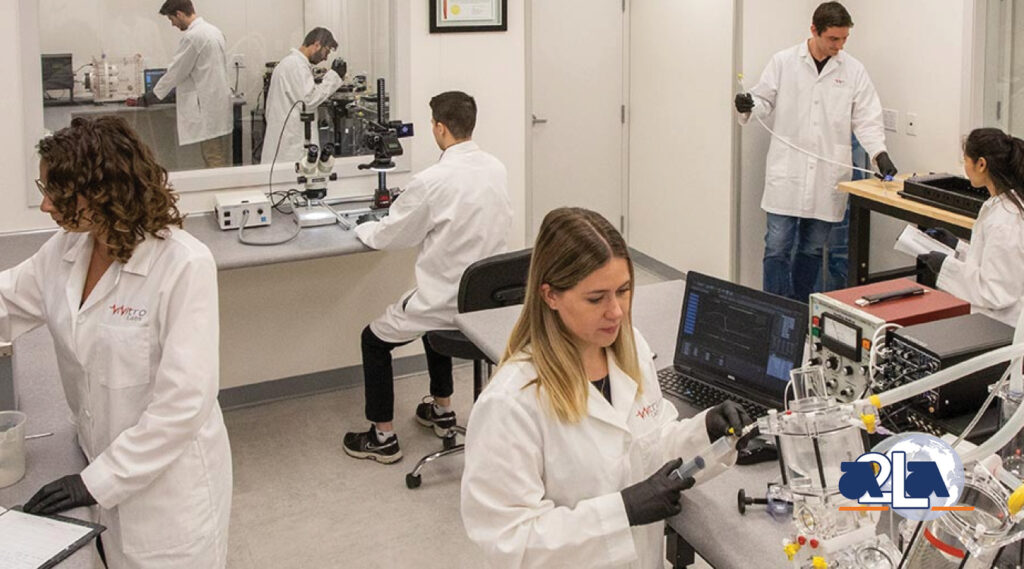
Accreditation Case Study: ViVitro Labs
Imagine you’re the president of a testing organization with two separate labs. Each lab has its own quality management system (QMS), is accredited by different accrediting bodies (ABs) in two different languages, and there’s a nine-hour time difference between them. Operating these labs separately,

Laboratories & Calibration Providers: Let’s Talk
To read this article in Spanish, click here. A2LA accredits various laboratories and other organizations such as reference material producers, proficiency testing providers, inspection bodies, biobanks, and product certification bodies. A2LA is the largest accreditor of calibration
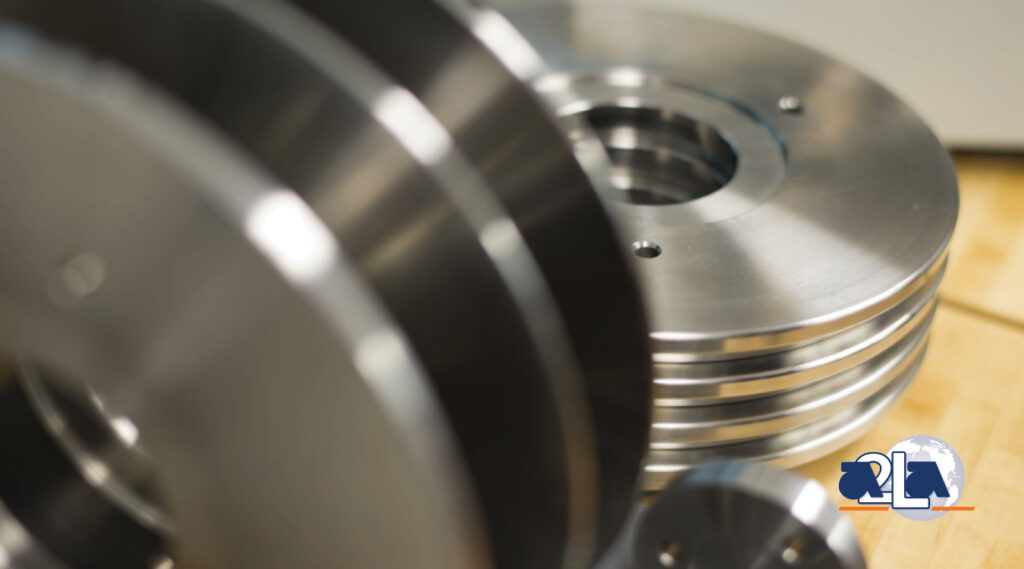
Accreditation Case Study: Cameron Instruments
Cameron Instruments offers their customers high-quality measurement, calibration, and test equipment, as well as accredited calibration and repair services in their state-of-the-art pressure calibration laboratory. Located in Ontario, Canada, the facility is ISO/IEC 17025:2017 accredited for
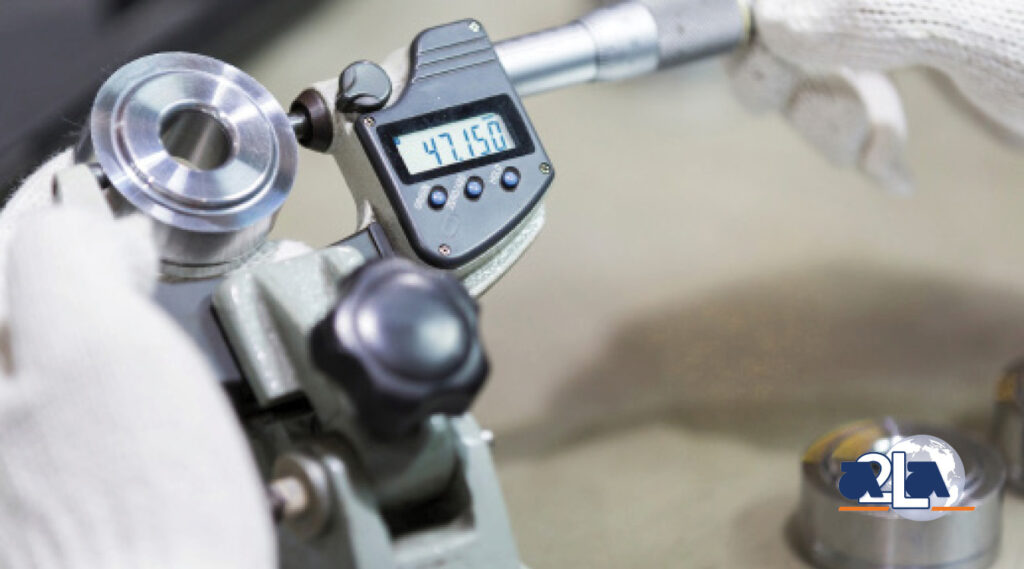
Common Calibration Certificate Findings
When working with clients that need accredited calibration services, ISO/IEC 17025 instructs laboratories on what is required for accredited calibration certificates in many sections, including 7.8.2.1, 7.8.4.1, and 7.8.6. These requirements are strengthened further by A2LA’s normative requirements

Explaining ISO/IEC 17025 Competency Requirements
Accreditation proves an organization’s ability to perform work competently, which is why ISO/IEC 17025 places a heavy emphasis on personnel competency within section 6.2. This section of the standard contains several requirements—mainly covered in clauses 6.2.2 and 6.2.5—and it is one of the top ten

Figuring Out Significance: What Are Significant Figures
While performing laboratory activities, such as testing or calibration, there are many instances in which results are required to be formatted in significant figures/digits. A common conundrum is understanding what exactly significant figures/digits are and how to properly round results to find

In-House Calibrations vs Internal Calibrations
Calibration laboratory personnel often use the terms “in-house calibration” and “internal calibration” interchangeably. Although they sound similar in meaning, these two terms have significantly different applications and using them interchangeably can often create confusion. It can also,